Rebuilding Trust After Layoffs
Rebecca Dhrimaj
“We will be creating synergies across our workforce this month.”
The word synergy still leaves a bad taste in my mouth, as I will always associate it with humans - friends and colleagues - who had a job one day, and the next day they were escorted out of the building wondering what to tell their families that evening. I’ve seen this happen to dear colleagues, and it’s happened to me. In the current environment, it seems to happen to thousands of people each month.
And words like synergy, workforce reduction, and layoff are used to disassociate from the human element of this business decision that impacts human lives and society.
I recently interviewed a leader who recalled an experience as an intern in a company that was suffering financially and conducting layoffs. Psychological safety was so low that employees began leaving Post-it notes inside the elevator - anonymous messages that were not-so-subtle cries for help.
No one intended for the culture to reach that point, but that’s the thing about layoffs - they don’t just change org charts. They change how people feel when they walk into work every day. If you stay, you wonder when the next wave will come. If you leave, you carry the understanding that the “trust contract” between employer and employee can be broken at any time.
That’s why this conversation matters. While layoffs may be framed as financial decisions, their deepest impact is cultural and psychological. And if leaders don’t address that reality, the organization may recover on paper while slowly eroding from within.
When Leaders Choose a Different Path
One of the most powerful leadership stories I’ve encountered came from Bob Chapman, former CEO and current chairman of Barry-Wehmiller.
During the 2008 financial crisis, when layoffs swept across industries, Bob refused to let people go. His belief was simple but radical: his people were the business.
Instead, the company implemented mandatory unpaid vacation. What followed wasn’t resentment, it was humanity. Employees traded time off so those under more financial strain could work. Instead of fear, the culture shifted toward care. And remarkably, the company not only survived the crisis - it thrived.
Most organizations won’t take this path because it takes a courageous leader like Bob to challenge the status quo. But the lesson isn’t about avoiding layoffs at all costs. It’s about understanding what’s lost when trust is broken and what becomes possible when it’s protected.
Why Layoffs Cut So Deep
Trust at work is rarely discussed explicitly, but it’s always there - an unwritten agreement that if we give our energy, loyalty, and creativity, the organization will treat us with fairness and respect. When layoffs happen, that agreement is violated.
It’s similar to a relationship breach with a married couple: recovery is possible, but only with intentional repair. Without it, people adapt by protecting themselves, and self-protection is the enemy of collaboration, innovation, and inspiring positive change.
This manifests in subtle ways:
Quieter meetings
Fewer bold ideas
Less emotional investment
More transactional relationships
More “I” and less “we”
Culture doesn’t collapse overnight. It slowly hardens like a Canadian lake transitioning from fall to winter.
What Other Leaders Have Taught Me About Rebuilding Trust
The Power of Voice and Agency: Insights from Dr. Esther Alegria
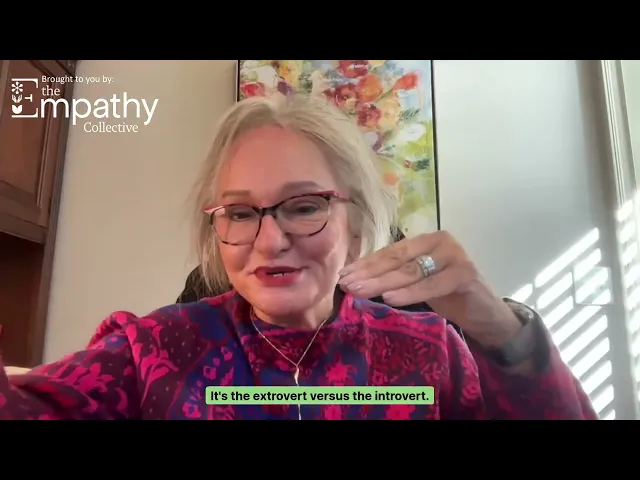
In my recent conversation on E3: Engage and Empower with Empathy with biotech executive Dr. Esther M. Alegria, one theme stood out: people rebuild trust when they feel their voices matter again.
After disruption, employees aren’t just looking for reassurance - they’re looking for evidence that their perspectives shape what happens next. Creating space for dialogue (including skip-level conversations), not just organization-wide communication, helps shift employees from passive observers to active participants in the rebuild.
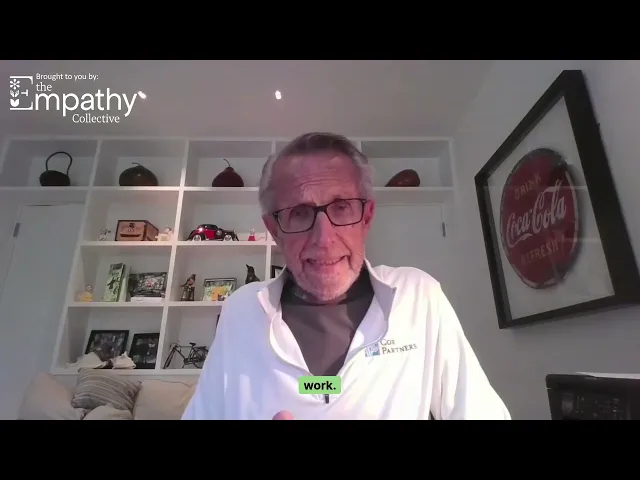
Trust grows when people feel with leadership, not managed by leadership. Here is a clip from our conversation where she elaborates on this.
Resilience Through Shared Purpose: Lessons from Denise Mueller
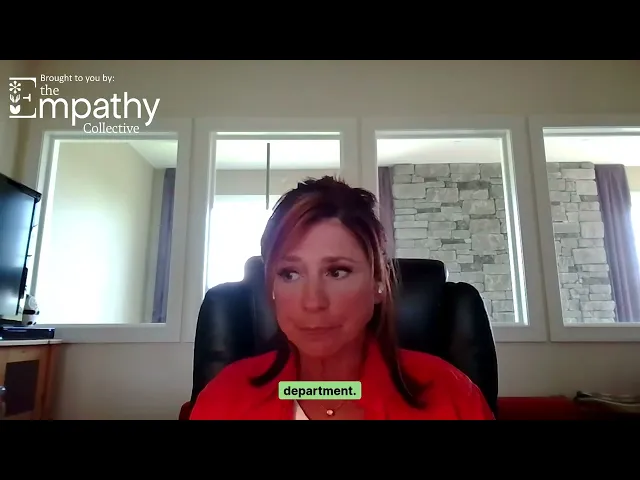
When I spoke with biotech consultant Denise Mueller, she shared that resilience isn’t an individual trait - it’s a collective experience.
After layoffs, leaders often focus on operational recovery. But Denise reminded me that teams regain confidence faster when they reconnect to a shared purpose. Purpose reframes the narrative from “what we lost” to “what we’re building.”
That shift is subtle, but it’s powerful. It gives people a reason to reinvest emotionally. In this video clip she shares her personal experience as a leader during a major restructuring.
Culture is Rebuilt One Interaction at a Time: Wisdom from Dr. Greg Argyros
Dr. Gregory Argyros, president of MedStar Washington Hospital Center, shared how he rebuilt psychological safety in a complex healthcare environment with 8,000 team members.
His approach wasn’t about sweeping initiatives - it was about consistency, recognition, and relationships.
He reinforced purpose relentlessly, recognized contributions across roles from clinicians to environmental services, and invested time in understanding people beyond their titles. Over time, those small gestures compounded into a culture where people felt seen and valued again.
Culture change didn’t happen through memos and town halls. It was rebuilt by having conversations with colleagues in the corridors and acknowledging and appreciating the humanity in others.
(Greg)
What Leaders Can Do - Starting Now
If your organization has gone through layoffs, rebuilding trust isn’t about a single initiative. It’s about a pattern of leadership behaviors.
Tell the truth about the emotional impact. People don’t need a polished corporate message. They need leaders to acknowledge their emotions.
Increase transparency. Clarity reduces anxiety. Share how decisions are made and what the future could realistically look like.
Demonstrate care in tangible ways. Workload, wellbeing, and career support communicate priorities far more than town hall speeches.
Create momentum. Recognize the small wins to help teams move from grief to forward motion.
Lead with visible humanity. Empathy isn’t a “nice to have” after layoffs - it is a strategy for stabilizing your organization.
Leadership is a State of Being, Not a Title
Layoffs test who we are as leaders, exposing the leaders who chase titles instead of seeing leadership as a state of being with incredible responsibility - responsibility to the people in their span of care and to society.
Long after the financial rationale fades, people remember how they felt: disposable or valued, silenced or heard, alone or supported.
Trust isn’t rebuilt in grand gestures. It’s rebuilt in the small, consistent one-on-one conversations between leaders and their team members that say:
You matter. Your work matters. And we’re moving forward, together.
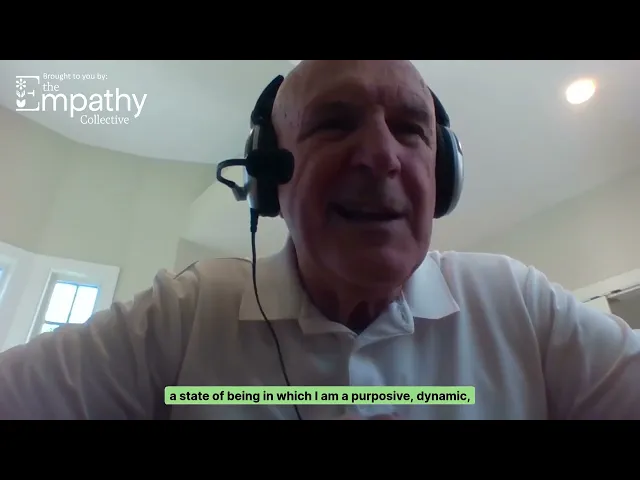
I'll leave you with a final message from my dear friend Robert E. Quinn, professor emeritus at the University of Michigan Stephen M. Ross School of Business and co-founder of the Center for Positive Organizations:
Resources:
Truly Human Leadership & Courageous Patience and a Safe Bus with Bob Chapman. Podcast Episodes 40 & 41. E3: Engage and Empower with Empathy
Just Say Yes with Dr. Esther Alegria. Podcast Episode 106 (to be published this summer). E3: Engage and Empower with Empathy
Leading Through Ambiguity with Denise Mueller. Podcast Episode 14. E3: Engage and Empower with Empathy
One Team, One Mission with Dr. Greg Argyros. Podcast Episode 105 (to be published this summer). E3: Engage and Empower with Empathy
Deep Change & Inspiring Change with Empathy with Robert E. Quinn. Podcast Episodes 53 & 54. E3: Engage and Empower with Empathy