The Rabbit Listened
Rebecca Dhrimaj

Every night at 8 p.m., my husband and I gather our kids to read before bed. One of our favorites is The Rabbit Listened by Cori Doerrfeld.
In the story, a little boy named Taylor builds a magnificent tower of blocks, only to watch it crash down when a flock of birds flies into it. Naturally, he’s devastated. One by one, different animals try to help:
The chicken wants to talk about it.
The bear wants to shout.
The elephant wants to remember how things were before.
The hyena wants to laugh.
The ostrich wants to pretend nothing happened.
The kangaroo wants to clean up the mess.
The snake wants revenge.
But Taylor doesn’t want to do any of those things.
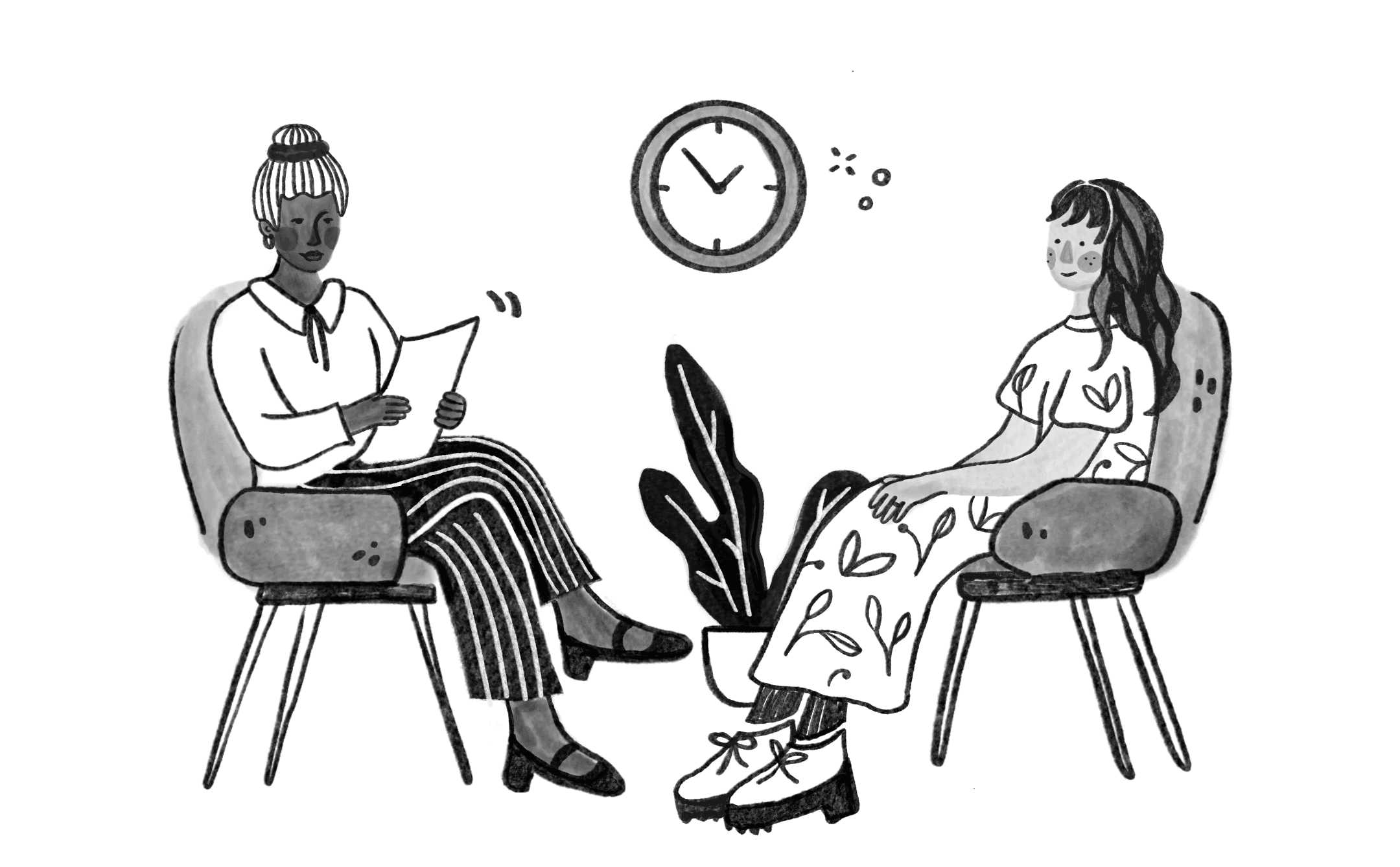
Then the rabbit arrives. Quietly. Gently. Without trying to fix or explain anything, it simply sits beside him. When Taylor finally asks the rabbit to stay, it listens as he talks, shouts, remembers, laughs, hides, cleans up, and even dreams of revenge. The rabbit listens to everything, including Taylor’s hopes of rebuilding when he’s ready.
This simple story carries a powerful message: in moments of disruption or loss, what we most need at first is not advice but presence - someone to sit with us, hear our pain, and hold space for our emotions. Only then are we ready to begin transforming.
William Ury highlights this in his book Possible and his TED Talk “The Power of Listening.” He explains that true listening goes beyond hearing words; it means attuning to what’s left unsaid: the emotions, needs, and intentions beneath the surface. In Japanese, there’s an expression for this: Ba no Kuuki wo Yomu (場の空気を読む), or “reading the air.” Ury encourages us to keep asking “why” or “why not” until we uncover the deeper truths that drive someone’s behavior or feelings.
Listening for What’s Unsaid
I’ve been practicing this approach with my own son. In a recent LinkedIn post, I shared how my five-year-old often says he’s “allergic” to things. It's his way of signaling discomfort or resistance to change.
One afternoon, on the way home from school, he told me he was “allergic to school.” Knowing how much he actually enjoys his friends and teachers, I decided to listen for what was unsaid.
Here’s how our conversation went:
Me: "How was your day at school?"
Aurelio: “I’m allergic to school. I don’t want to go anymore.”
Me: “Why are you allergic to school?”
Aurelio: “You have to learn all the time.”
Me: “Why don’t you like learning?”
Aurelio: “My brain is tired. I don’t want to learn anymore.”
Me: “Learning can be tiring. Why are some activities more tiring than others?”
Aurelio: “I like circle time, but I don’t like learning my ABCs. And next year I’ll be in first grade, and it will be even harder. And second grade will be harder. And then seventh grade will be really hard.”
Me: “It sounds like kindergarten makes you think harder than preschool did.”
Aurelio: “I just want to relax my brain.”
Me: “Let’s go home and relax. Maybe you can ride your bike or play with your toys.”
By listening deeply, I uncovered the true meaning behind his words. “I’m allergic to school” wasn’t about dislike - it was about anxiety over growing expectations as he moved from preschool to kindergarten and beyond.
Why This Matters for Leaders
Imagine how different our workplaces and our world would be if more people followed Ury’s advice: to spotlight the person speaking, listen beyond their words, and notice the needs beneath the surface.
As change leaders, listening is our most powerful tool. It builds trust, uncovers hidden barriers, and creates the conditions for real transformation. Let’s put it to good use.
Resources: