Empathy as a Strategy for Operational Excellence: Highlights from AME 2025
Rebecca Dhrimaj
On the flight from RDU to STL, the Southwest Airlines flight attendant handed me a coffee with a heart-shaped stirrer and a napkin that said, “The best ideas are born on napkins. What’s yours?”
Although my idea wasn’t written on a napkin, it came from strong signals from the universe to explore new territory. My idea was to branch out of my comfort zone (the life sciences and biotech industry) and learn how leaders in manufacturing, those well-versed in continuous improvement and lean methodologies, are coaching people through change and disruption.
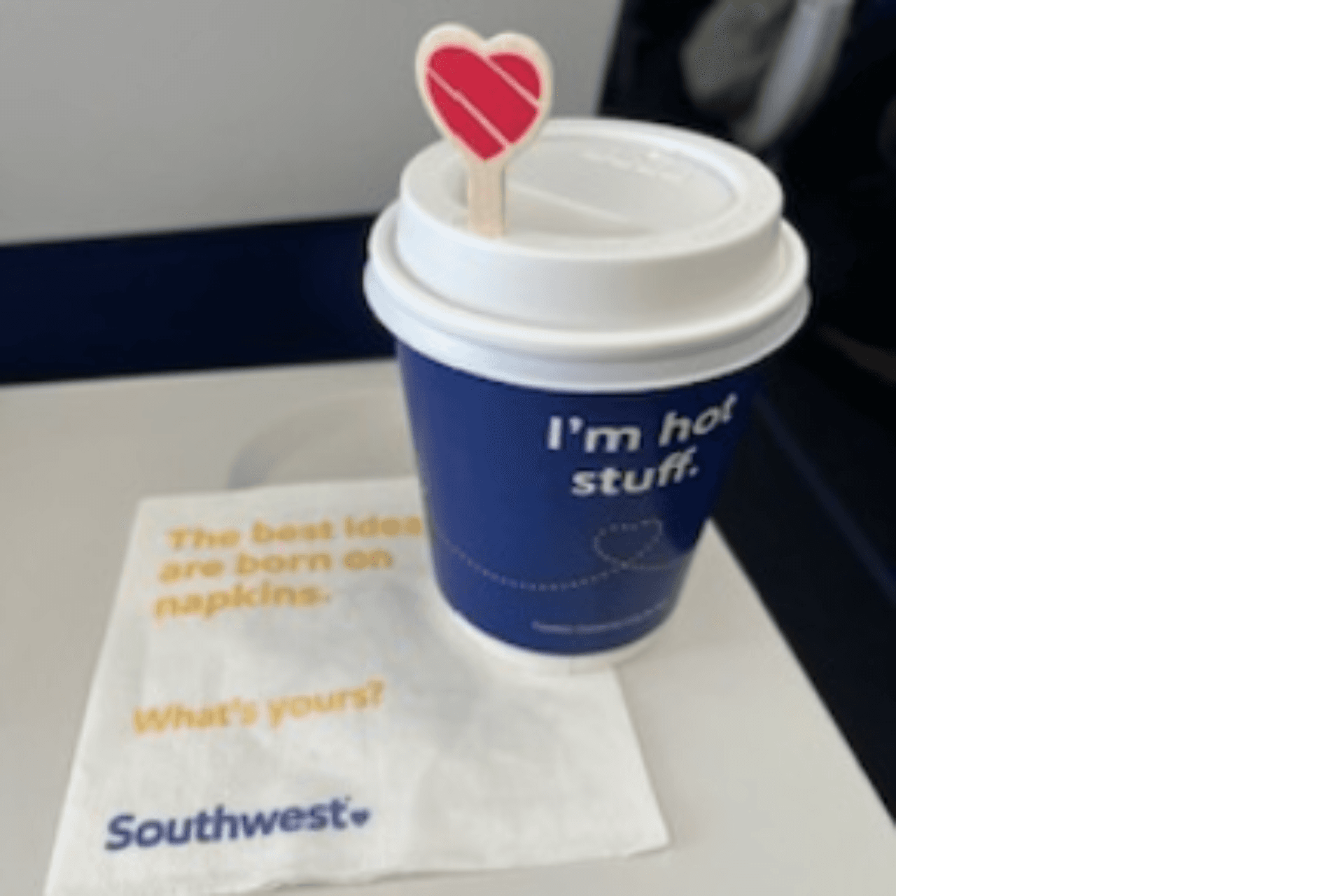
The best ideas are born on napkins. What's yours?
After interviewing a few thought leaders on my podcast who have applied human-centric leadership to drive operational excellence (I’m thinking of you, Bob Chapman, Robert O. Martichenko, Meg Brown, and David A Galloway), I felt a strong pull toward this industry. Something magical was happening - something deeper than reducing waste and creating efficiencies. Something that starts with the human heart and radiates outward to employees who come to work feeling inspired and empowered, returning home to their families every evening feeling proud and accomplished.
I wanted to see firsthand how lean practitioners and operational excellence leaders were using human-centric strategies to build successful manufacturing operations AND good humans. And thus, my podcast collaboration with The Association for Manufacturing Excellence (AME) was born. I entered the America’s Center Convention Complex in St. Louis for the AME International Conference last month wearing two hats - my media hat (representing my podcast E3: Engage and Empower with Empathy) and my change readiness consulting hat (representing The Empathy Collective LLC) - but only one goal: to learn how the doers and the makers engage and empower their people to drive operational excellence.
Leading to Learn: Holding Precious What It Means to Be Human
Katie Anderson's workshop, Leading to Learn®, set the tone for the week. Through reflection exercises and personal storytelling, participants explored how leaders can create space for others to learn, experiment, and grow. A key takeaway echoed a sentiment from Toyota Motor Corporation's philosophy: the quality of products, work, and people development are inseparable. The conversations reminded me that leadership is less about having the answers and more about asking the right questions: the “what” and “how” questions that invite curiosity and courage. Katie's message was simple yet profound: reflection is where the learning happens, and leaders must “hold precious what it means to be human.”
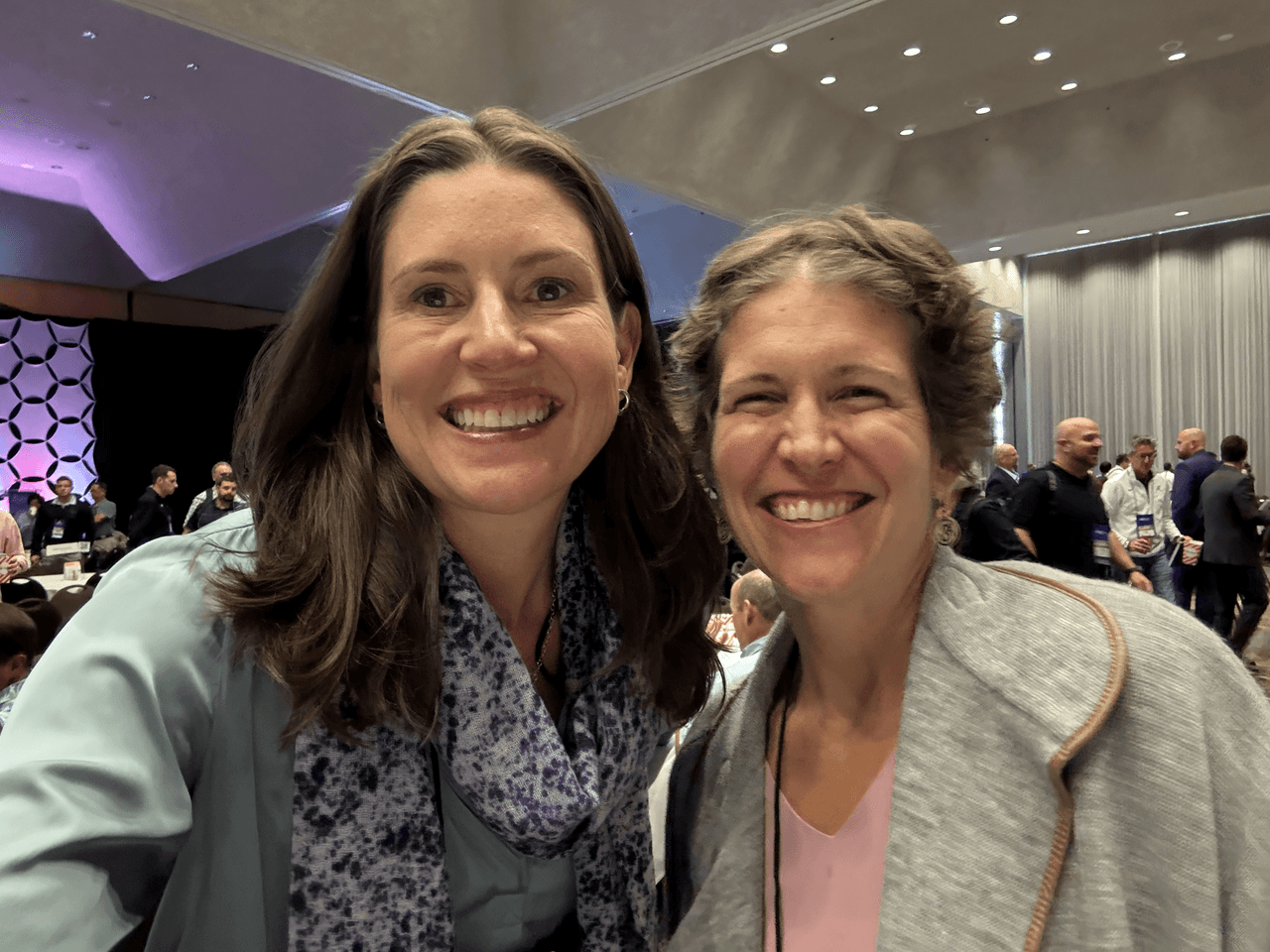
Katie Anderson and I discovered we share a passion for people
Walking the Talk: Lessons from Cambridge Air Solutions
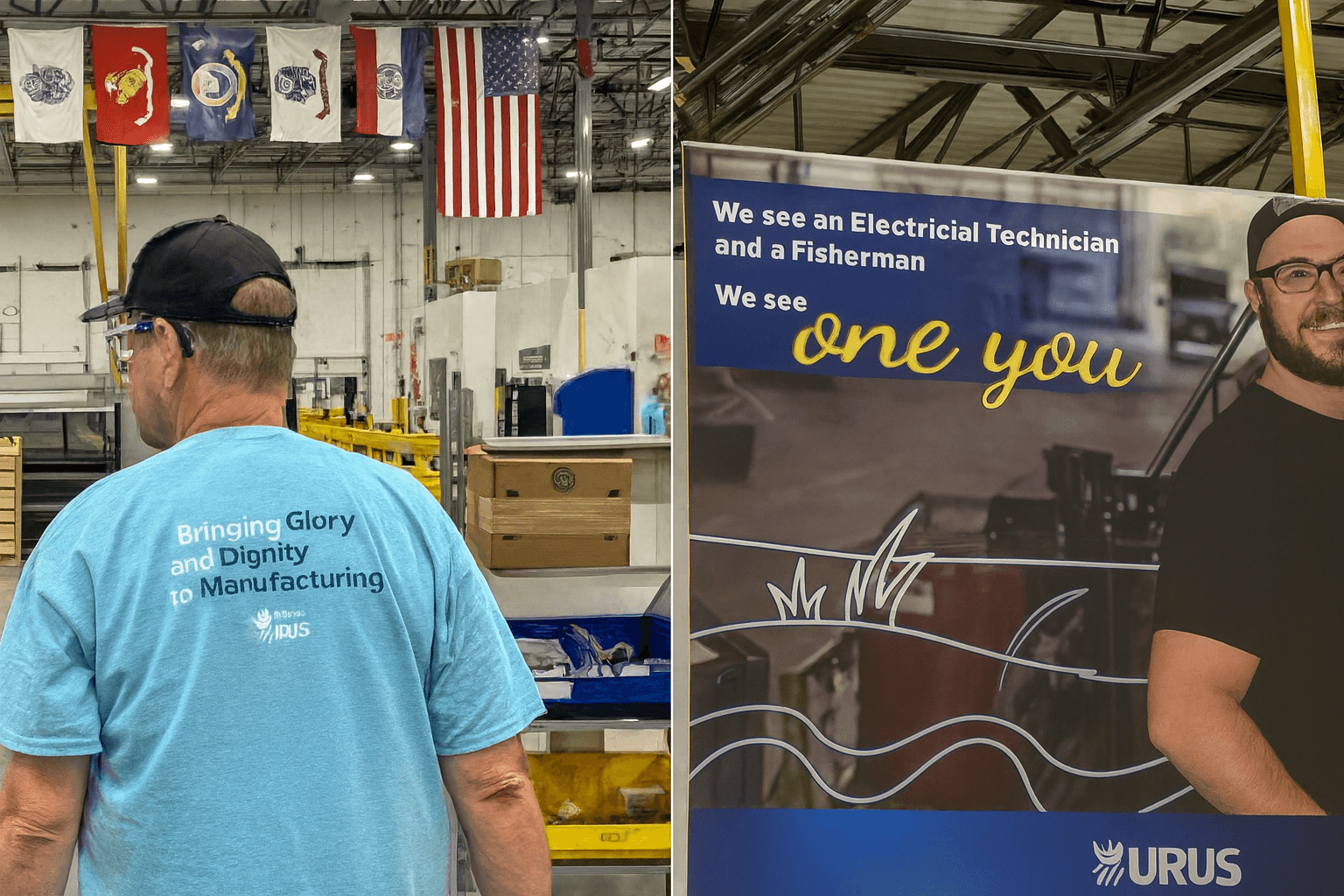
I had the pleasure of interviewing Cambridge Air Solutions COO, Meg Brown, before the conference and was inspired by their dedication to provide “unconditional love” to employees. Touring their Wentzville, MO facility was a masterclass in humility and shared ownership. This is a company that canceled its janitorial service so every employee, including the CEO John Kramer, Jr., could take responsibility for their workspace. Morning meetings are volunteer-led, and visual boards track not only performance but also how many lives they aim to enrich.
Their “buffalo mindset” (facing the storm head-on) captured the spirit of leaders who model vulnerability, community, and courage in the face of disruption. Culture there isn’t a set of posters on the wall; it’s something you sweep into existence each morning.
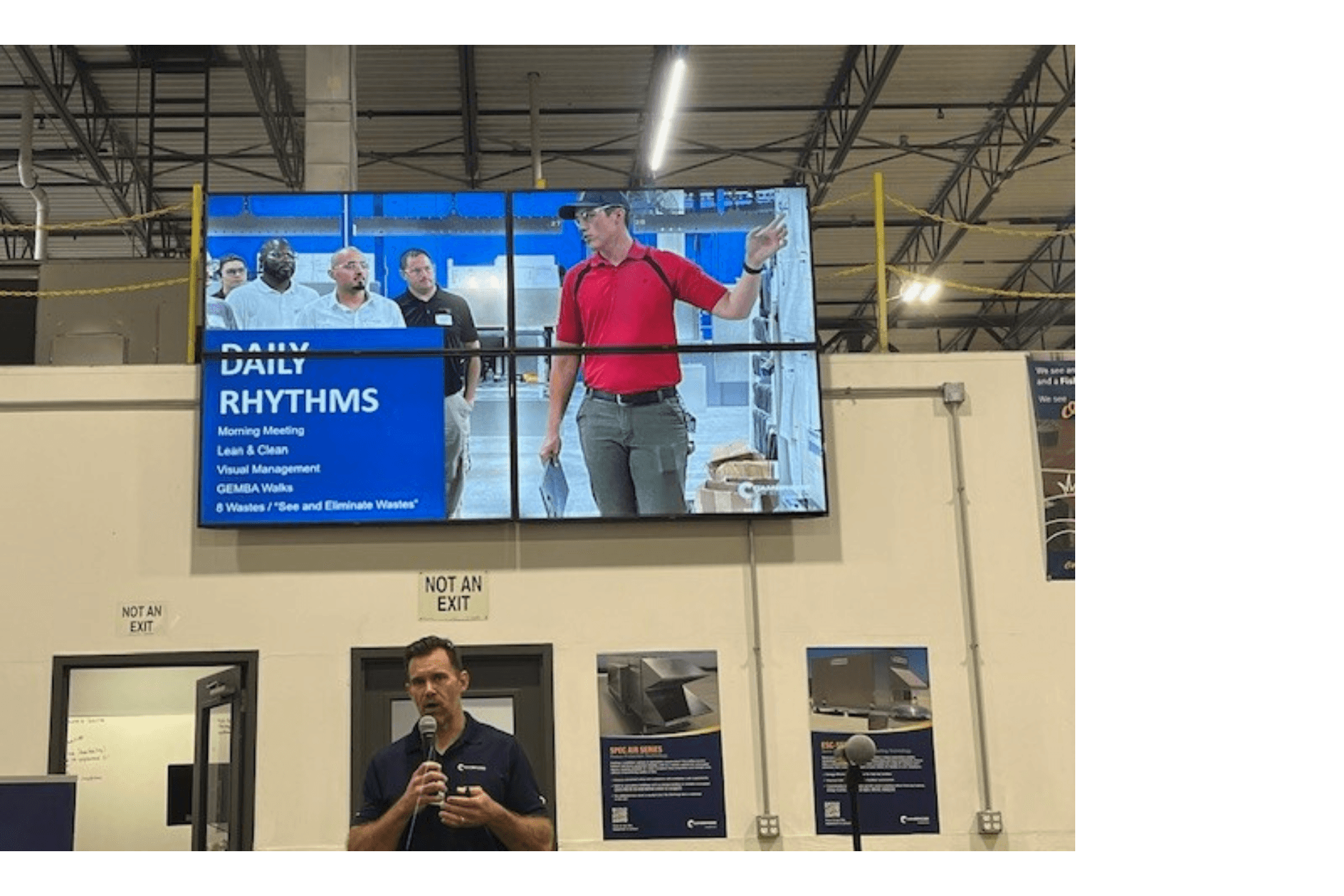
Cole Drussa, Plant Manager at Cambridge Air Solutions, talks about their volunteer-led morning meetings
Culture as the Soil for Growth
If there was one theme that wove through every session at this year’s conference, it was this: culture can’t be mandated — it has to be cultivated.
From Clemco's Tom LaMantia to Flexcon's Aimee Peacock, leaders reminded us that transformation doesn't come from a project or a checklist. It grows from the daily behaviors, small moments, and shared sense of purpose that make people feel seen and valued.
I noticed a powerful shift in language away from change management toward change leadership. That might sound subtle, but it's everything. It means moving from telling people what to do to leading change with empathy and curiosity and co-creating the change.
Honeywell's operational excellence leaders, Lynne Johnson, P.Eng. and Marcia Wright brought this to life beautifully. Even a global company like Honeywell struggles to sustain change if the culture isn't tended to daily. Too often, employees see continuous improvement as "extra work." Honeywell's leaders flipped that mindset by focusing on connection first - turning Gemba walks and Leader Standard Work into opportunities for conversation, not compliance. Their mantra? Build an "army of problem solvers," because when people feel safe to speak up, most problems are simple and solvable.
That same people-first energy was alive at Duke Manufacturing Co., where Diann Gordon and John W. shared how they make recognition personal. Their "Get to Know" spotlights and birthday shout-outs aren't just nice-to-haves - they're intentional ways to make employees feel like they matter. Engagement, they reminded us, shouldn't feel transactional; it's how you live your culture every day.
Then there was Tucker Kaas of Kaas Tailored who shared one of my favorite reminders: change shouldn't feel like a surprise party. His advice was simple - don't overwhelm people with new programs or big reveals. Bring your influencers in early, move at the pace of trust, and remember that real transformation happens when people feel invited, not instructed.
Salem Metal, Inc.'s story took that idea to heart - literally rising from the ashes after a devastating fire. Leaders Jason Vining and Thomas Lacey rebuilt not just their facility, but their entire culture, blending lean tools with people-centered leadership. Through reflection, training, and open dialogue, they shifted how people showed up, and it showed in the results. Orders increased by 40 percent, and the team round pride in becoming better versions of themselves. Their newly adopted philosophy, "get comfortable with being uncomfortable," guided them as they introduced Key Behavioral Indicators (KBIs) alongside KPIs - a perfect illustration of how technical excellence and human growth feed each other.
And then came one of the most heartfelt keynotes of the week from Sarah Kernion, host of The Inchstones Podcast. As a mother of neurodiverse children, Sarah invited us to rethink how we measure progress. Instead of chasing "milestones," she celebrates "inchstones" - the small, meaningful wins that keep us moving forward. She referenced the OODA Loop (Observe, Orient, Decide, Act), reminding us that adaptability is born from awareness. "Leadership isn't about managing complexity - it's about learning to live inside it." That line stuck with me.
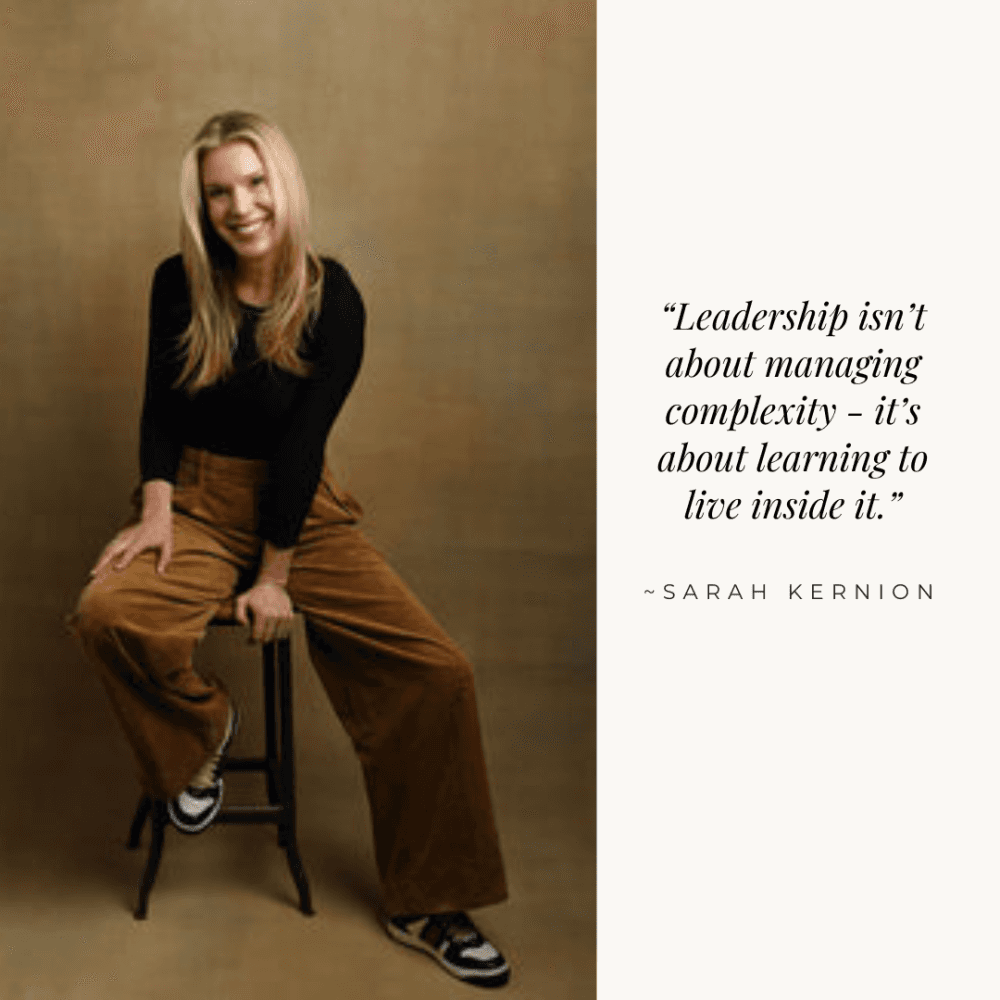
Sarah Kernion, Neurodiversity Advocate
Elizabeth (Liz) Haberberger's talk, The Human Side of Change, tied it all together. She said people don't resist change - they resist changing when clarity or care is missing. Her framework of head, heart, hands, and feet gives leaders a simple way to guide others through transformation with both strategy and empathy.
I also had the chance to sit down with Brian Wellinghoff, partner at Chapman & Co. Leadership Institute, who shared how Barry-Wehmiller's leadership team used "courageous patience" and trust to bring even the most skeptical employees along on their change journey. It's a reminder that leading change is less about speed and more about sincerity.
And finally, emcee Jon Colby, infused energy into the event with an unforgettable exercise. He had us literally experience change - building "homes" with other attendees and then suddenly switching roles without warning. Chaos followed, but something magical happened - leaders emerged, people helped each other, and together, we found our rhythm again.
Closing Reflection
As I boarded my flight home, I couldn’t help but think back to that Southwest napkin. My “idea” had evolved into a conviction: empathy is a strategy for achieving operational excellence. The manufacturing leaders I met aren’t just improving systems - they’re cultivating environments where people can thrive, learn, and lead with purpose. And that’s a universal lesson whether you’re building airplanes, semiconductors, or HVAC systems.
**If you are inspired by this article and want to learn more about The Association for Manufacturing Excellence (AME) and their work, please connect with Kimberlee (Kim) Humphrey.
Resources:
Association of Manufacturing Excellence Website: https://www.ame.org/
Podcast Interview: Leading with Heart in Hard Places with Meg Brown
Podcast Interview: Where Empathy Meets Operational Excellence with Brian Wellinghoff
Podcast Interview: Meaningful Employment Environments with Robert Martichenko
Podcast Interview: Safety Walk, Safety Talk with David Galloway