
Return on Empathy (ROE): The KPI Change Leaders Can No Longer Ignore
Rebecca Dhrimaj
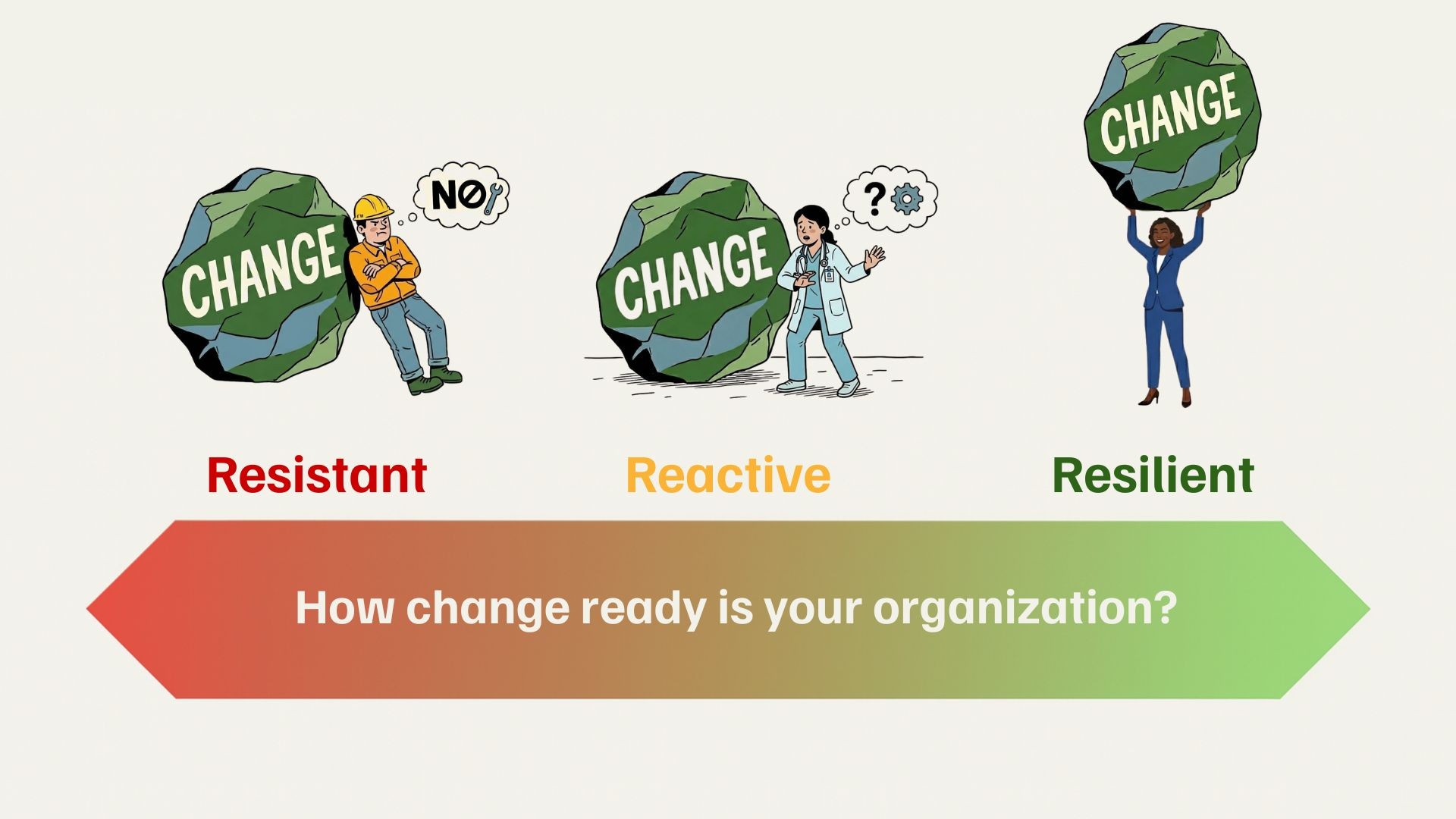
Change is happening faster than ever, and many leaders feel like they’re reacting to disruption more than preparing for it. At The Empathy Collective LLC, the conversations we’re having with leaders span everything from geopolitical turbulence to AI adoption and large-scale culture transformation. We often hear things like:
“Our leaders are struggling to take ownership of AI and empower their teams. They still see it as something IT owns.”
“With tariffs and shifting immigration policy, we’re constantly adapting to executive orders from the White House. Long-term planning feels nearly impossible.”
“We just completed a major culture transformation, and some leaders are resisting the change. We may need to have some tough conversations.”
“We’re struggling to attract and retain younger workers. Their expectations are completely different from those of older generations.”
“We’re reimagining our brand after 150 years with no changes. People are deeply loyal to the old brand, and the shift feels very personal.”
In an environment like this, how do leaders prepare for constant disruption? And how do they know if they’re prepared?
Most organizations try to measure resilience through conventional metrics like employee turnover, retention, absenteeism, and annual engagement surveys. Many surveys even include a question about how effectively the organization manages change, especially in large global companies where M&A and restructuring are routine.
But these metrics are rearview indicators. They tell us how well we did after the fact. If turnover or absenteeism spikes, it’s already too late - those employees are disengaged or working for a competitor.
What’s missing is the windshield view: How prepared are we for the next wave of change? And why do some teams stay steady amid turbulence while others falter?
In my recent E3: Engage and Empower with Empathy podcast interview with Hans-Werner Kaas, senior partner emeritus at McKinsey & Company, we explored this very question. He described how resilient leaders model calm confidence while also acknowledging the difficulty of the moment - an approach that grounds their teams and builds trust.
So how do we measure that type of resilience? At the individual level? The team level? The organizational level?
This is where Return on Empathy (ROE) comes in.
In our June article, Why Do Change Initiatives Fail?, we introduced the Collective Empathy Continuum, a spectrum from apathetic leadership that fuels resistance to empathetic leadership that cultivates resilience. Drawing from interviews with more than 80 leaders across industries, we developed an 8-question ResilientIQ™ diagnostic that measures readiness and adaptability.
When an organization or department completes the diagnostic, the leaders receive a score between 0–40. The closer the score is to 40, the more resilient the organization. That number is your Return on Empathy (ROE).
I’m often asked by HR leaders, “Empathy is a soft skill. How do you measure it?” We’ve finally solved that problem. ROE is empathy, quantified.
In another recent E3: Engage and Empower with Empathy podcast interview, life sciences leader Michelle Lavatai shared a powerful analogy about the Redwood forest and how empathy and human connection help teams withstand major change. She noted that relationship builders like her are often undervalued in workplaces that prize strategy and execution. But organizations need both. Her story illustrates exactly how ROE shows up during times of transformation.
How prepared are you for change? You can find out in 2 minutes by taking this quiz.
The first 10 respondents to complete the quiz will receive a complimentary Change Conversations Pocket Guide to help leaders conduct effective 1:1 change conversations with their employees and peers.
Have fun, and we will share the collective results in a future edition of this newsletter!
Resources:
Change Conversations Article (June 2025): Why Do Change Initiatives Fail?
E3: Engage and Empower with Empathy Podcast Interview: Relationship Building and Resilience with Michelle Lavatai
E3: Engage and Empower with Empathy Podcast Interviews: The Role of Empathy in the C-Suite and The Journey of a Human-Centric Leader with Hans-Werner Kaas
McKinsey Article (May 2025): The CEO as Chief Resilience Officer by Ida Pagter Kristensen and Linda Liu