Healing Leaders from the Inside Out
Rebecca Dhrimaj
Empathy and shame
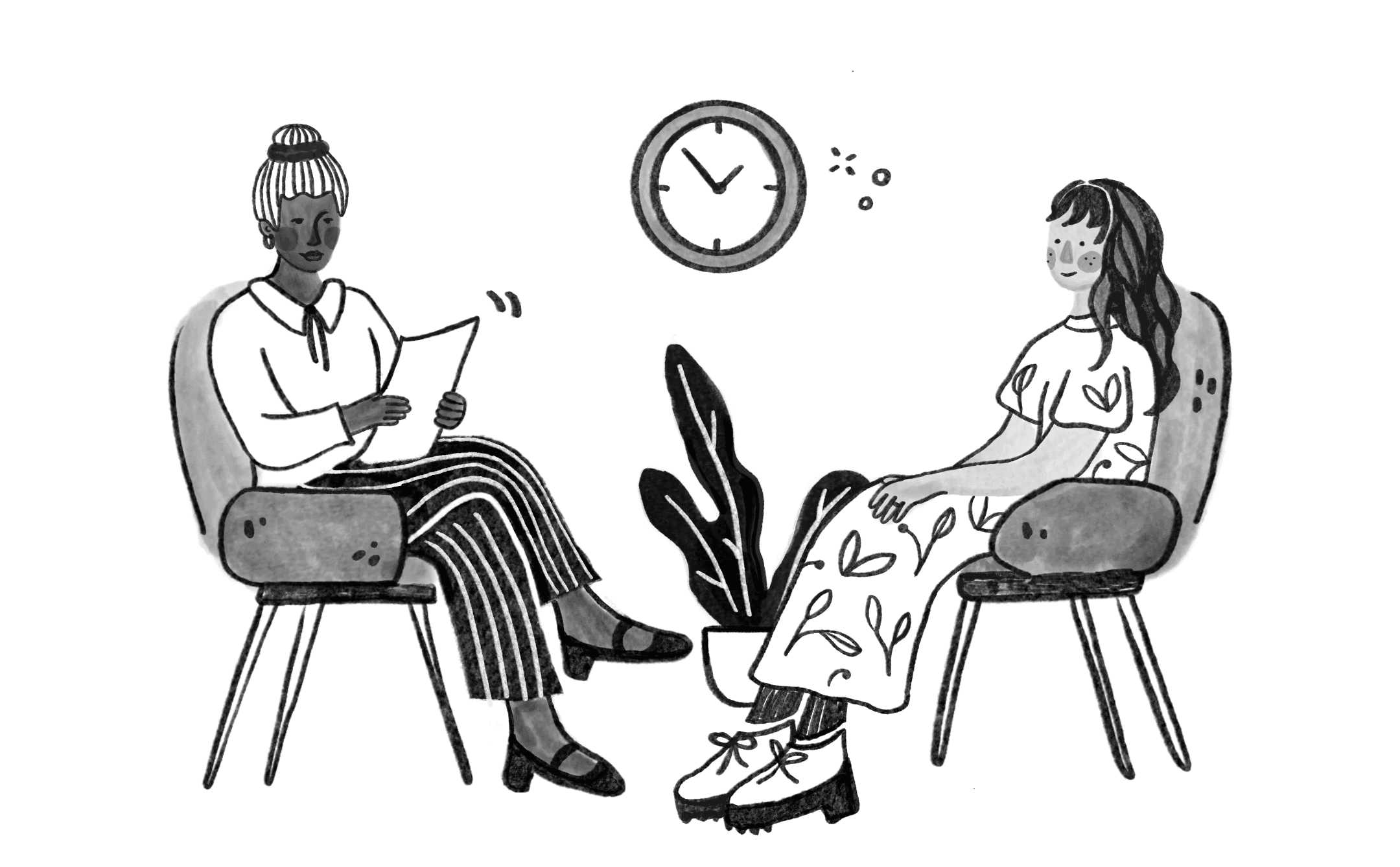
The #2 most-listened-to episode of E3: Engage and Empower with Empathy last year was my interview with Stephanie Jeans, an addictions therapist. In our conversation, we explored the often-overlooked connection between empathy and shame, grounding the discussion in a powerful passage from Brené Brown’s Dare to Lead:
“Shame is not a compass for moral behavior. Why? Because where shame exists, empathy is almost always absent. The opposite of experiencing shame is experiencing empathy. The behavior that many of us find so egregious today is more about people being empathy-less, not shameless.”
When someone has healthy self-esteem and a positive sense of self-regard, they are not hurting in the same way that leads people to hurt others. Without empathy for ourselves (when we don’t like or accept who we are), it becomes incredibly difficult to show up for those around us with kindness and empathy.
Excessive shame is heavy. It weighs people down and isolates them. So how do we help someone carry that weight? According to Stephanie, the answer begins with shining a gentle spotlight on it. Bringing shame into the open makes it more bearable, but only when it’s done with deep compassion and without judgment.
Healing leaders, healing organizations
A living example of this inner healing journey that Stephanie alluded to is Raj Sisodia, founding member of the Conscious Capitalism, Inc. movement and co-author of the upcoming book Healing Leaders. In several of his books, including Awaken, Raj shares how unhealed wounds from an often abusive childhood in rural India shaped his early life, and how self-reflection and self-empathy ultimately led him toward post-traumatic growth.
I was so inspired by Raj's journey that I invited him to join me on E3: Engage and Empower with Empathy to discuss what it truly means to heal as a leader (the episode will be released in March). During our conversation, he shared this insight:
The macrocosm is a reflection of the microcosm of the leader. If they’re not healed, if they’re not coming from a place of love, they will inflict those traumas at scale.”
Overcoming Trauma: A Leader's Path to Healing
What Stephanie and Raj reinforced for me is this: when we recognize and normalize the inner parts that make us emotionally complex, when we practice empathy for ourselves, we show up more fully for our colleagues and our families. Self-empathy expands our capacity to empathize with others, and it helps us transform our inner parts into superpowers rather than enemies to keep hidden from the world.
Meet your inner team
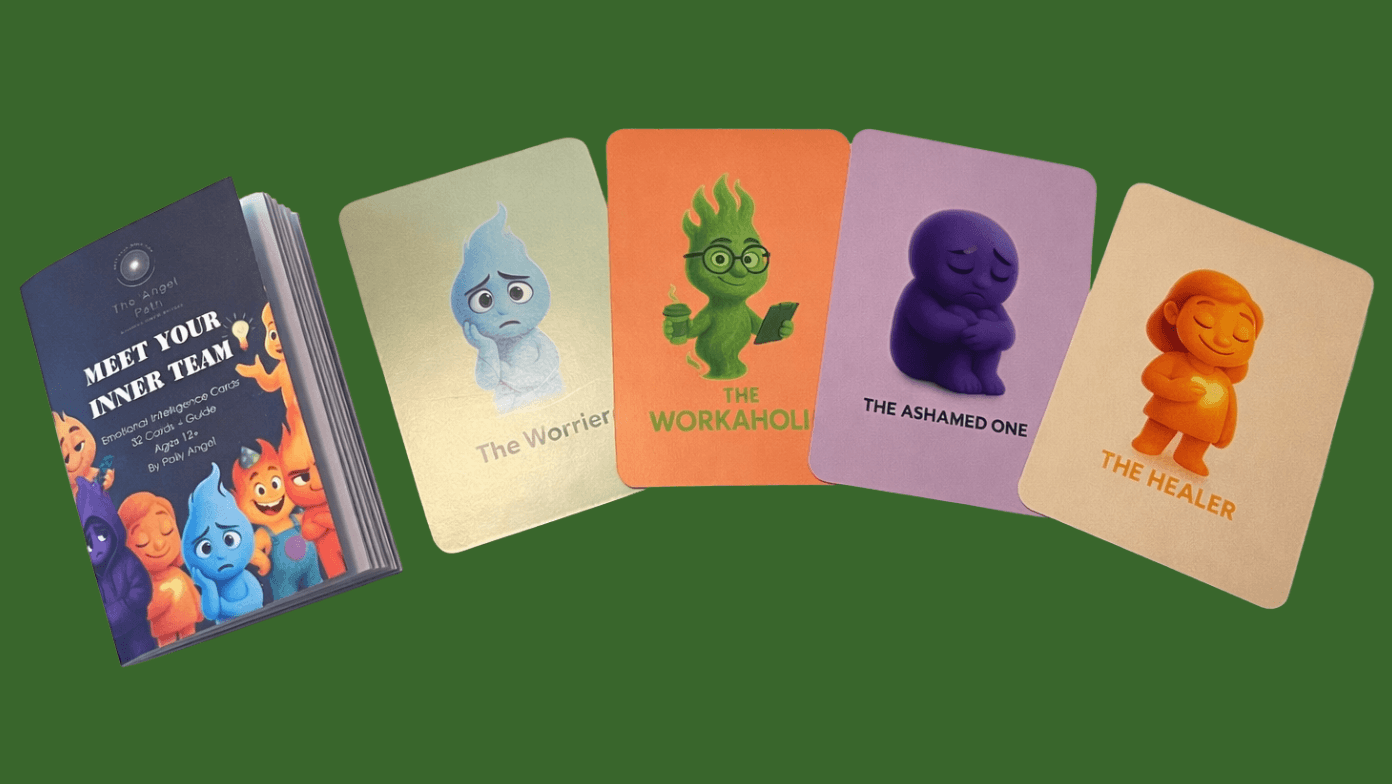
Through our work with leaders, we’ve consistently seen how unexamined inner parts can hold people back from leading themselves and their teams through change. That’s why The Empathy Collective LLC has partnered with Polly Angel - founder of The Angel Path, RTT therapist, and somatic trauma informed coach - to help leaders understand their inner team and identify what may be limiting their resilience.
Polly originally developed this parts-based framework for children, but we quickly recognized how essential it is for adults, especially change leaders responsible for inspiring others toward a future state. She identifies four core types of inner parts:
Guardians: Parts that protect you from possible future pain
Reactors: Parts that distract you from present pain
Hidden Hearts: Parts that stay out of sight to protect themselves from harm
Inner Guides: Authentic expressions of who you truly are
The goal isn’t to eliminate these parts, but to understand and collaborate with them rather than fight them. As Polly puts it,
“The more you understand and work with these different parts of yourself, the more choice, freedom, and authentic power you’ll have in your life.”
Empathy’s double-edged sword
As I became more familiar with my own inner team, I realized that two parts, The Worrier and The Soother, had been working overtime since childhood. In my recent conversation with Polly, we explored how empathy, while a natural strength, can also contribute to burnout and poor mental health when we over-index on it in combination with certain inner parts, like The Worrier (a Guardian).
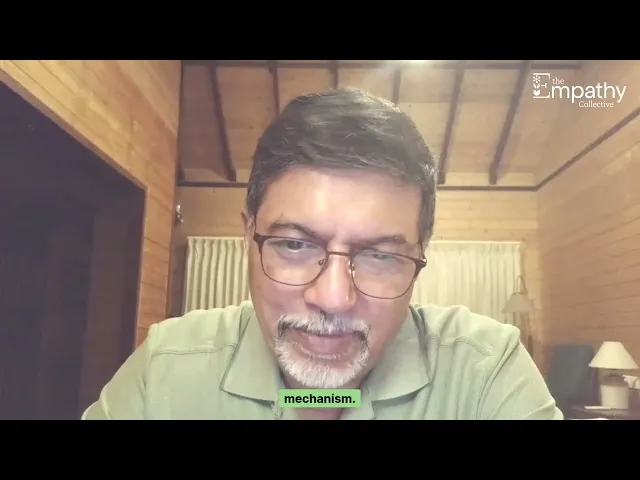
In the video below, I share how acknowledging my own inner parts helped me recognize that empathy, when left unchecked, can sometimes cause harm rather than healing.
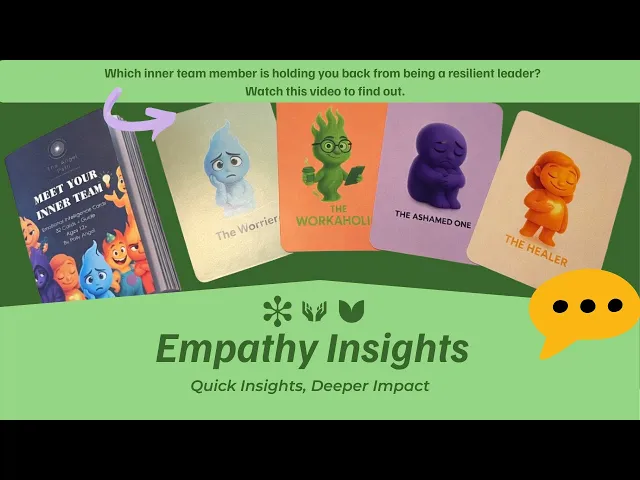
When Empathy collides with The Worrier
A new toolkit for resilient change leaders
Whether your inner team includes The Perfectionist (Guardian), The Workaholic (Reactor), The Rejected One (Hidden Heart), or The Creator (Inner Guide), getting to know these parts is essential. Leadership growth requires learning how to harness your inner parts as strengths and knowing when to ask them to step aside.
When combined with Gallup’s CliftonStrengths, this work gives leaders a deeper understanding of themselves, strengthens empathy for their teams, and builds the capacity to harness collective strengths in service of resilience and change.
If you’d like to be the first to know when we launch the Meet Your Inner Team workshop for leaders and change agents, developed in partnership with Polly Angel and The Angel Path, join the waitlist below.
CLICK HERE to join the waitlist for our MEET YOUR INNER TEAM workshop for change leaders
Resources: