Is Your Feedback Culture Toxic?
Rebecca Dhrimaj
For most of my career, I struggled with giving and receiving feedback. Not because I didn’t care. Not because I wasn’t self-aware. But because, quite simply, no one ever taught me how.
Feedback was something that happened to you, usually during a mid-year or end-of-year review. It wasn’t modeled. It wasn’t normalized. And it certainly wasn’t something that felt psychologically safe.
That experience was validated recently in my interview with Josh Hartzell, MD, a healthcare leader and author of A Prescription for Caring in Healthcare Leadership. In his book, he dedicates three chapters to the art of giving and receiving feedback, because in healthcare (and leadership more broadly), the cost of getting it wrong is incredibly high.
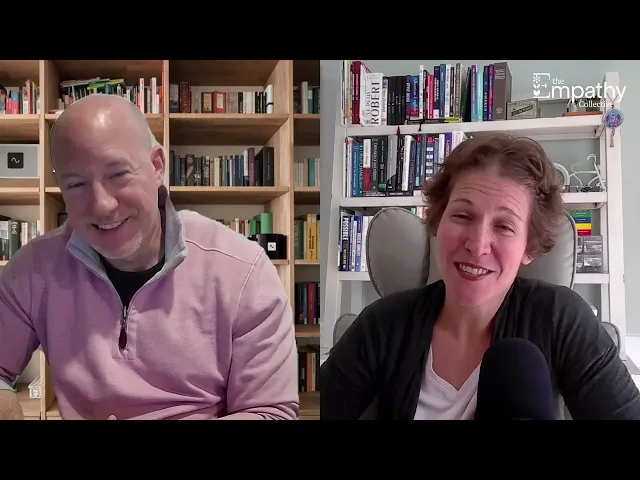
His message echoed my own experience. Most leaders are never taught how to give feedback well or how to receive it without defensiveness. Here is a clip from our conversation:
When Empathy Gets in the Way
If you’re familiar with Kim Scott’s Radical Candor framework, you’ll recognize the four quadrants that balance care personally with challenge directly.
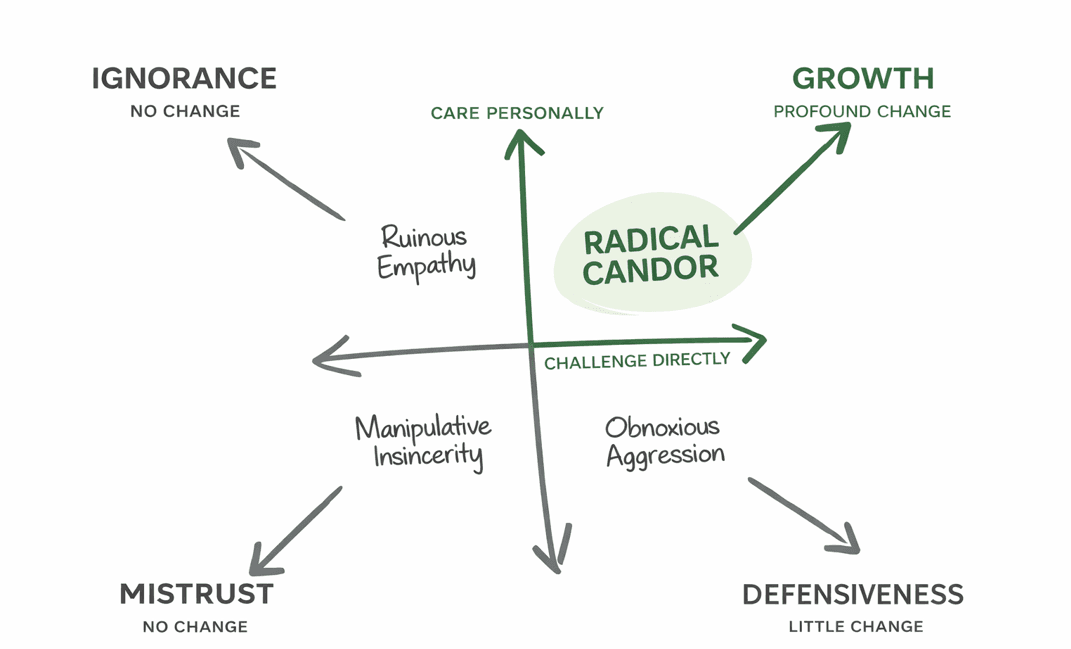
Kim Scott's Radical Candor Diagram
For years, I lived squarely in Ruinous Empathy.
I cared deeply about people. I didn’t want to hurt feelings. I avoided tough conversations, telling myself I was being kind, supportive, empathetic. What I didn’t realize at the time was that avoiding honest feedback wasn’t kindness at all. It was comfort. My comfort.
And I see this pattern often, especially among leaders who lead naturally with empathy. The intention is good, but the outcome can be damaging. When we withhold feedback or avoid being direct, we rob people of clarity, growth, and trust.
Radical Candor remains something I actively work on with myself and the leaders we serve at The Empathy Collective. Challenging someone directly and with compassion is not a destination, it's a daily practice that leads to profound change and growth.
The Organizational Feedback Failure
The problem doesn’t stop with individual leaders. Most organizations don’t actively promote frequent, two-way feedback, limit feedback to formal review cycles, or worse, wait far too long to say anything at all.
I’ve seen organizations place someone on a Performance Improvement Plan (PIP) with little warning, only to let them go weeks later. By then, the feedback feels punitive rather than supportive.
And let’s talk about 360 feedback. In one organization I worked for, the only time 360 feedback was collected was when a leader was suspected of unethical behavior. His boss requested feedback from direct reports - not as a developmental tool, but as an investigation.
It’s no wonder people develop a negative, fear-based association with feedback.
Feedback Isn’t a Verdict. It’s a Sweater.
Someone once told me that receiving feedback is like putting on a sweater. If it fits, great. Wear it for a while. See how it feels. If it’s itchy or doesn’t resonate, you can take it off. You don’t have to keep every piece of feedback. But you do need the opportunity to try it on. That metaphor fundamentally changed how I receive feedback and how I offer it.
Constructive vs. Destructive Feedback
Here’s the difference, based on real experience.
Constructive feedback I’ve received:
“I really appreciate how much research you put into your presentations. Sometimes, though, your slides are too detailed for a senior audience that just wants the key takeaways.”
That feedback was:
Specific
Behavioral
Actionable
Grounded in care and respect
I could do something with it.
Destructive feedback I’ve received:
“You are naïve and have no idea what we as a leadership team are going through. You have no place in this conversation.”
That feedback was:
Personal
Subjective
Dismissive
Shaming
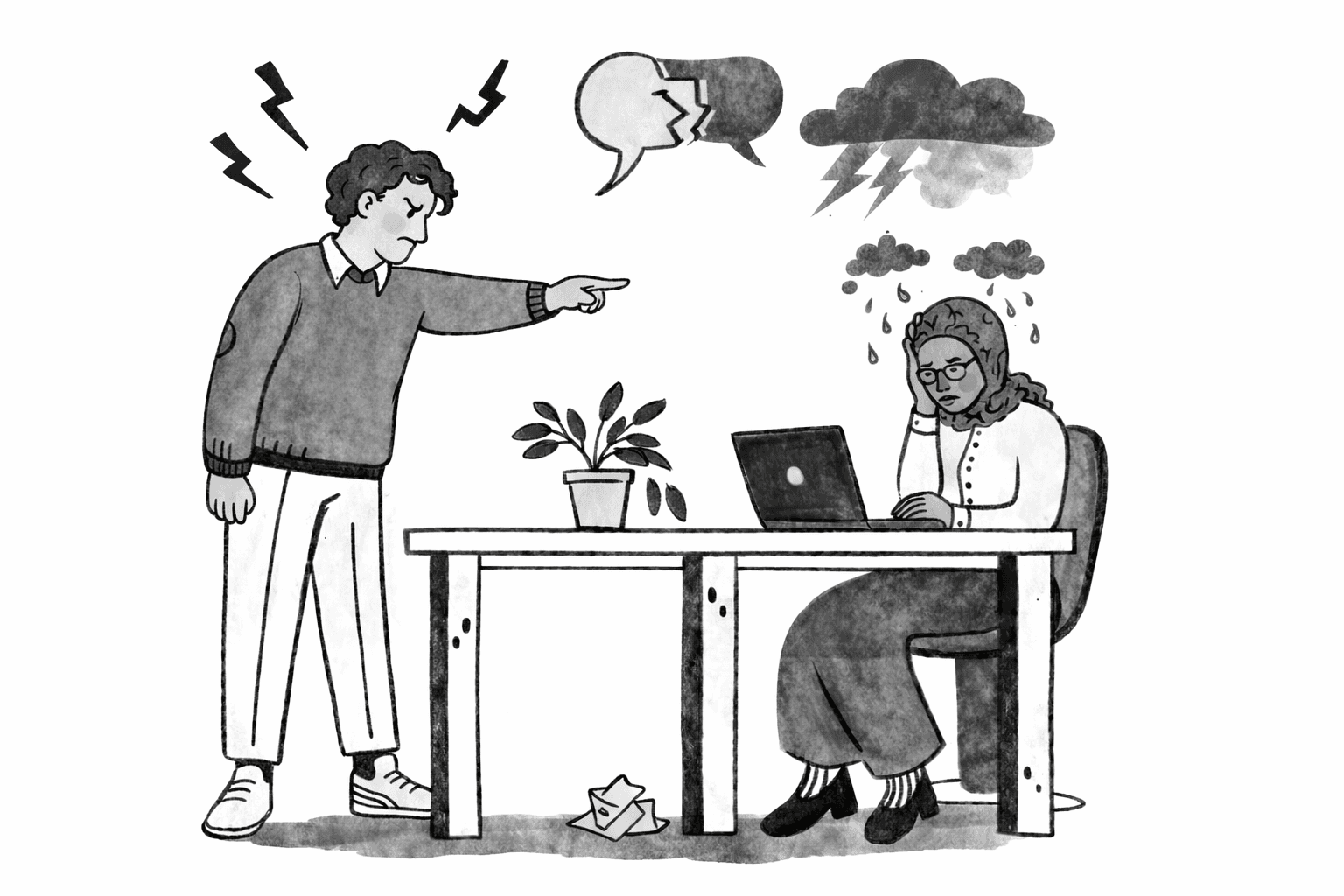
And it shut me down immediately. This is how toxic feedback cultures are created: when people are criticized rather than coached, dismissed rather than developed. Over time, people stop speaking up. Especially when the topic is uncomfortable or the power dynamics feel unsafe.
This aligns with what Harvard Business School Professor Amy Edmondson describes in Right Kind of Wrong: when people fear blame or humiliation, they don’t take risks, share concerns, or surface mistakes. Instead of learning, organizations get silence, and silence is far more dangerous than getting something wrong.
Why Feedback Matters Even More During Change
Feedback becomes critical during periods of change or transformation - not just through survey-based pulse checks and the annual employee engagement evaluation - but through frequent, two-way conversations between leaders and teams.
At The Empathy Collective, we build this skill directly into our Change Conversations Workshop where leaders learn how to conduct effective 1:1 change conversations with their direct reports and key stakeholders, and it’s a core question in our ResilientIQ™ diagnostic. Because resilience isn’t just about adaptability - it’s about whether people feel heard when the ground under their feet feels unstable. When feedback is missing during change, leaders are flying blind.
The Leaders Who Get It Right
The most effective leaders I’ve worked with (and interviewed on our podcast E3: Engage and Empower with Empathy) share one trait: they actively ask for feedback. As Urs Koenig, author of Radical Humility, emphasizes, leadership isn’t about having all the answers - it’s about staying open to learning how your impact is landing. That takes courage, humility, and practice. It's about delivering feedback that builds people up rather than tears them down.
Is Your Feedback Culture Toxic?
Ask yourself:
Is feedback frequent, or rare and formal?
Is it two-way or top-down?
Is it focused on growth or judgment?
Is it offered early (and in a proactive manner) or only when it’s “too late” (reactively)?
Because feedback, when done well, isn’t something to fear. It’s how trust is built. It’s how people grow. And it’s how empathy becomes a strength - not a liability.
Resources:
Healing the Healers with Dr. Josh Hartzell, E3: Engage and Empower with Empathy Podcast
A Prescription for Caring in Healthcare Leadership by Dr. Josh Hartzell (book, Chapters 12-14)
Radical Candor by Kim Scott (book)
Right Kind of Wrong: The Science of Failing Well by Dr. Amy Edmondson (book)
Radical Humility with Urs Koenig, E3: Engage and Empower with Empathy Podcast
Radical Humility by Urs Koenig (book)