Noble Purpose as a Compass for Navigating Change
Rebecca Dhrimaj
How many times have you heard the phrase “the only constant is change” in your lifetime? If I had a dollar for every time I’ve heard that phrase in the last 41 years, I’d be wealthy and relaxing in my Mediterranean dream home. While the phrase can be annoying due to its overuse, it persists because it’s true.
A decade ago, I immersed myself in the study of Tibetan Buddhism. Buddhist principles emphasize impermanence - the idea that everything in this world is constantly changing. They teach that our resistance to change is the source of our suffering. One of my favorite quotes from Tibetan Buddhist Pema Chödrön beautifully describes this philosophy:
“When we resist change it’s called suffering. But when we completely let go and not struggle against it, when we can embrace the groundlessness of our situation and relax into its dynamic quality, that’s called enlightenment.” - Pema Chödrön
The reality is, most of us aren't enlightened Buddhists, and feeling as though the ground has been swept from under your feet is far from pleasant. The good news is that there’s another constant in this world besides change: noble purpose. Noble purpose is a powerful tool for navigating the instability you feel during significant life changes or disruptions.
What is a noble purpose?
Bestselling author and motivational speaker Simon Sinek introduced the concept of the Golden Circle in his viral TED Talk, How Great Leaders Inspire Action. According to Sinek, the most inspiring leaders begin with their WHY (their noble purpose) before focusing on the how or what of their work, when guiding their teams. In her book Selling with Noble Purpose, Lisa Earle McLeod explains that organizations driven by a purpose larger than making money outperform their competitors. Similarly, purpose-driven salespeople exert more effort and are more adaptable than those focused solely on quotas. Purpose-driven individuals have a WHY that extends beyond themselves, with the ultimate goal of making a positive impact on people’s lives.
Uncovering your noble purpose
Numerous approaches can help you uncover your purpose. One engaging exercise, detailed in Simon Sinek’s book Find Your Why, is called the “Friends Exercise.” Ask several of your close friends, “Why are you friends with me?” Initially, they might offer rational answers, but if you probe further by asking, “What is it about ME in particular that makes our friendship so special?”, you'll gain deeper insights.
I conducted this exercise with a few friends a year ago, and their responses included:
“You make me feel seen and heard.”
“I always feel at peace when I’m around you.”
“You have such a calming presence.”
“You have positive energy.”
This exercise provides initial clues. You can also dig deeper by assessing your strengths. I’m a proponent of CliftonStrengths, but any talent assessment can help you identify your top five strengths. For instance, I discovered that my number one strength is Connectedness, which means having faith in the links among all things and believing that all life events have meaning. People with this strength often act as bridge builders between individuals from different cultures and backgrounds.
Once you’ve completed the Friends Exercise and assessed your strengths, you’ll be well on your way to crafting your purpose statement. Here’s the purpose statement I created:
To instill quiet confidence in others by strengthening human connection and resilience.
Power without purpose and vision ≠ leadership
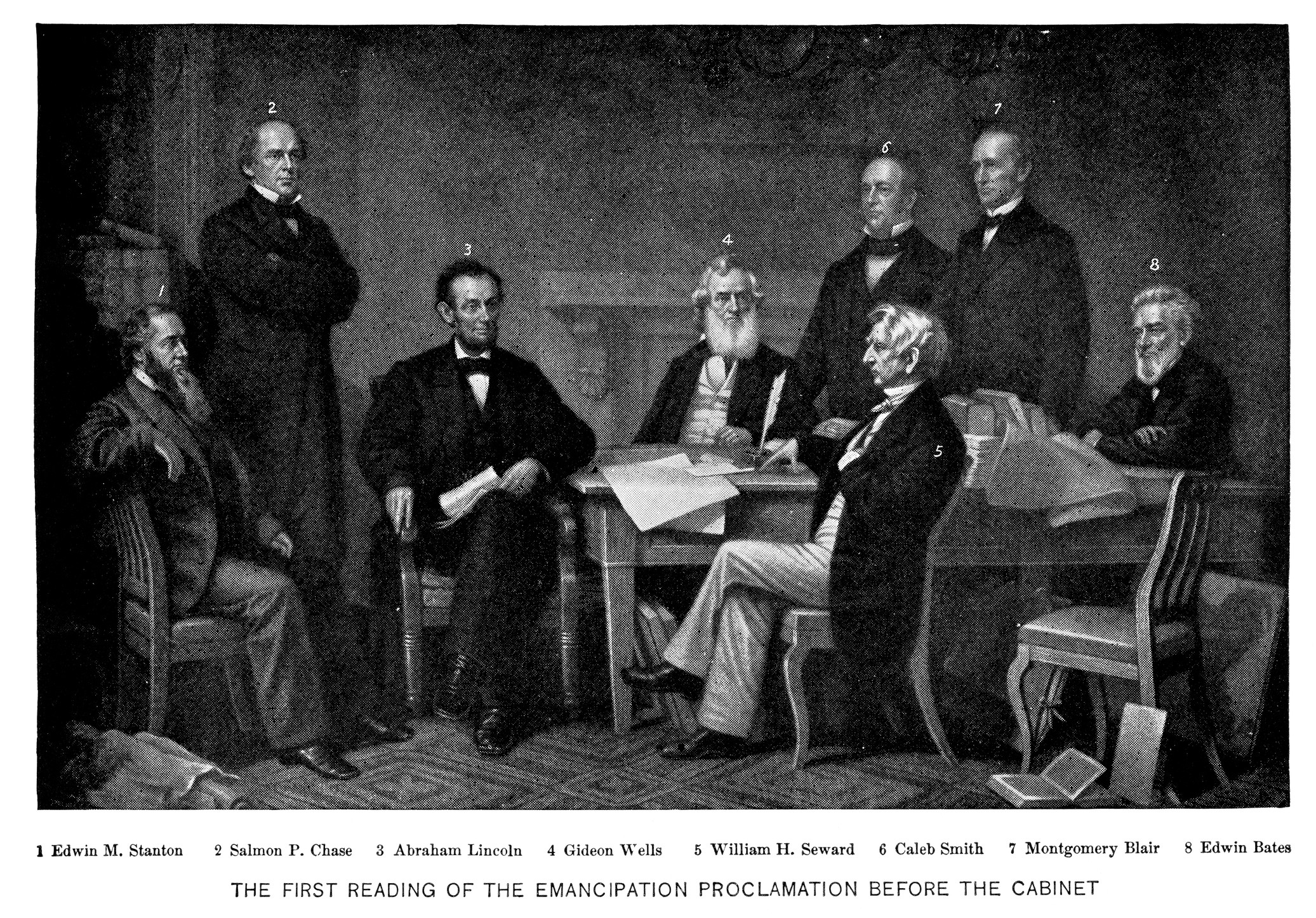
In her book Leadership in Turbulent Times, historian Doris Kearns Goodwin asserts that regardless of an impressive title, power without purpose and vision does not equate to leadership. I was particularly drawn to the story of Abraham Lincoln, an American president who guided the country through one of its most disruptive periods - the Civil War. Lincoln frequently battled depression, and during one particularly severe episode, he pondered: What if I died now? What would I be remembered for? This reflection propelled him to uncover his inner purpose and use it to build a vision for America’s future.
Goodwin highlights Lincoln’s remarkable ability to lead his diverse cabinet, consisting of “inordinately prideful, ambitious, quarrelsome, jealous, supremely gifted men,” to embrace a fundamental shift in the war’s purpose: human freedom. How did he bring them on board with this change? Goodwin attributes it to his emotional intelligence, specifically his empathy and ability to understand the emotional needs of each team member.
If Lincoln had crafted a personal purpose statement, I imagine it might read something like this:
Advancing collective interest through empathy and emotional understanding.
Your compass for navigating change
Because your noble purpose is unwavering, it can serve as a guiding light in a dark and uncertain sky. Whether you are undergoing a personal transformation, grieving a loss, or striving to guide others through change and uncertainty, your purpose will carry you through.
How will you use your purpose to navigate change?
Resources:
Chödrön, Pema. (2016). When Things Fall Apart. Shambhala Publications.
Goodwin, Doris Kearns. (2019). Leadership in Turbulent Times. Simon & Schuster.
McCleod, Lisa Earle. (2012). Selling with Noble Purpose. John Wiley & Sons Inc.
Episode 16: Leading with Noble Purpose with Lisa McCleod. E3: Engage and Empower with Empathy Podcast.
Sinek, Simon. (2017). Find Your Why. Portfolio.