Apathy: The Silent Resilience Killer
Rebecca Dhrimaj
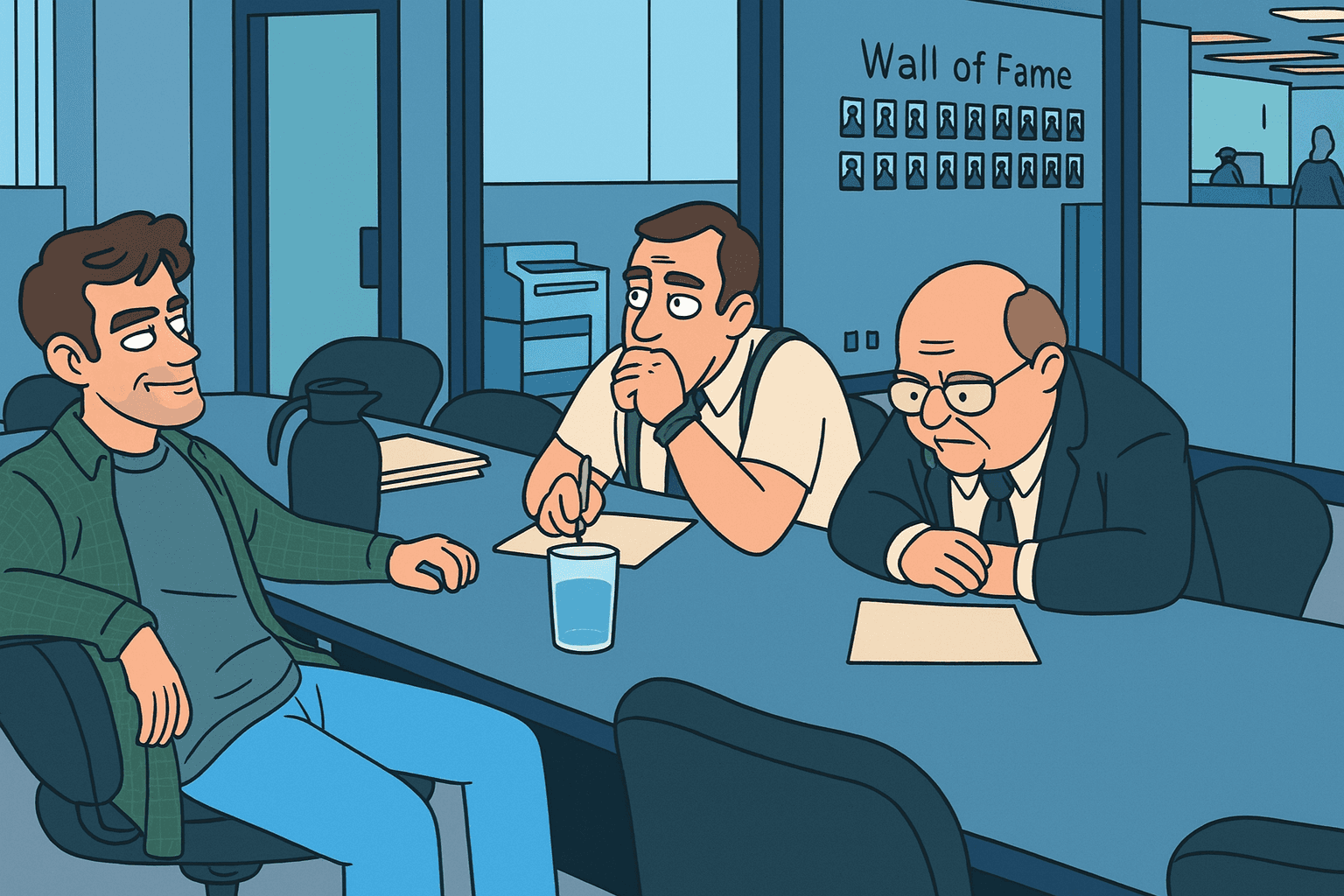
Once upon a time, there was a man named Peter who commuted daily to his corporate job. He’d use the back entrance to avoid “the big boss” and would spend the first hour of his day staring into space at his desk. With eight different managers constantly nagging him for deliverables, and no one invested in his growth or aspirations, he spent most of his working day trying to avoid their demands. One day, the big boss told him he needed to work overtime on the weekend without extra pay. Peter, having reached his limit, decided he didn’t care anymore and didn’t come into the office. He thought, “What’s the worst that could happen? They fire me?”
Now imagine another man named Peter, showing up for his early morning shift at the paper mill. He’d slip on his hard hat and steel-toed shoes after kissing his wife and kids goodbye. Paper mill Peter worked with large machines and had seen colleagues get injured on the job. His supervisor fostered a rigid culture of compliance, regularly communicating safety rules with consequences for not following them. Peter, fearing his boss and not wanting to upset him, was afraid to speak up about mistakes to avoid reprimand. One day, in a hurry to meet a deadline mandated by his boss, he decided not to wear his safety gear while operating a machine. In his rush, he severely cut his hand and was rushed to the hospital. After returning from leave, no one asked him what they could do to prevent a future injury. He wondered if anyone actually cared about his well-being.
Do these stories sound familiar? For some, the story of office Peter likely brings up scenes from the 1999 movie Office Space. For others doing more manual labor, paper mill Peter may hit closer to home. Unfortunately, most of us can relate to these stories because we’ve all experienced unsafe jobs at some point in our lives. At worst, an unsafe workplace can lead to injury or death; at best, it leads to disengagement and apathy.
Safety is more than ensuring employees go home to their families every day without physical injuries; it also includes the psychological harm that often goes unnoticed. In Australia, business owners are required to effectively manage psychosocial hazards in the workplace in addition to physical hazards. Why isn’t this a universal standard?
These are some quotes I’ve heard from friends and colleagues in recent years that illuminate the destructive environments we’re building in the workplace. How do we uncover these silent resilience killers and heal our organizations?
“I was ripped to shreds during every presentation I gave to the CEO. The pressure was so high at the end of each quarter that I had to be hospitalized every Q4, as I couldn’t get food down my esophagus.”
“During Covid, my boss watched us all like a hawk. She walked around the office with a yardstick making sure people were six feet apart.”
“This is the first company I’ve been in where I didn’t get yelled at by my boss in every meeting.”
“I don’t see other people like me in leadership roles, so what’s the point in trying to get promoted?”
“I don’t remember the last time someone thanked me for doing a good job. The philosophy here is if you’re doing your job, you’re earning your salary. Why should we thank someone for showing up and doing the job they are getting paid to do?”
“I’ve had five bosses throughout my career so far. Some of them simply didn’t care and left me to figure things out on my own. Others micromanaged my work so much that I never felt complete autonomy and empowerment. I’ve never had a good boss, so I don’t know what that feels like.”
“My last boss destroyed my self-confidence. She was never satisfied with my work, so I just prepared myself to be shot down in every meeting. Before I had this job, I felt very capable. Now I question my abilities and have brought that psychological trauma with me to my new company.”
“There is such favoritism among the physicians in this hospital. All the nurses fight for the doctors’ attention, and it’s exhausting. I just want to feel valued for the work I do.”
We’ve set the bar low when it comes to leadership, and people are suffering as a result. This pervasive apathy, where individuals feel unseen, undervalued, or psychologically unsafe, directly erodes organizational resilience. When employees are disengaged and lack the psychological safety to speak up or take initiative, the organization's ability to adapt, innovate, and thrive in the face of challenges is severely compromised.
Apathy doesn't just lead to individual disengagement; it creates a collective paralysis that hinders progress and long-term viability.
It’s time to change - let’s stop making each other miserable. There is a better path to economic progress, and we at The Empathy Collective LLC are joining hands with other likeminded leaders to pave this path. Who’s with us?
Additional Resources: